


Customizable multiple models of rectangular metal corrugated expansion joints
DN500-DN3200
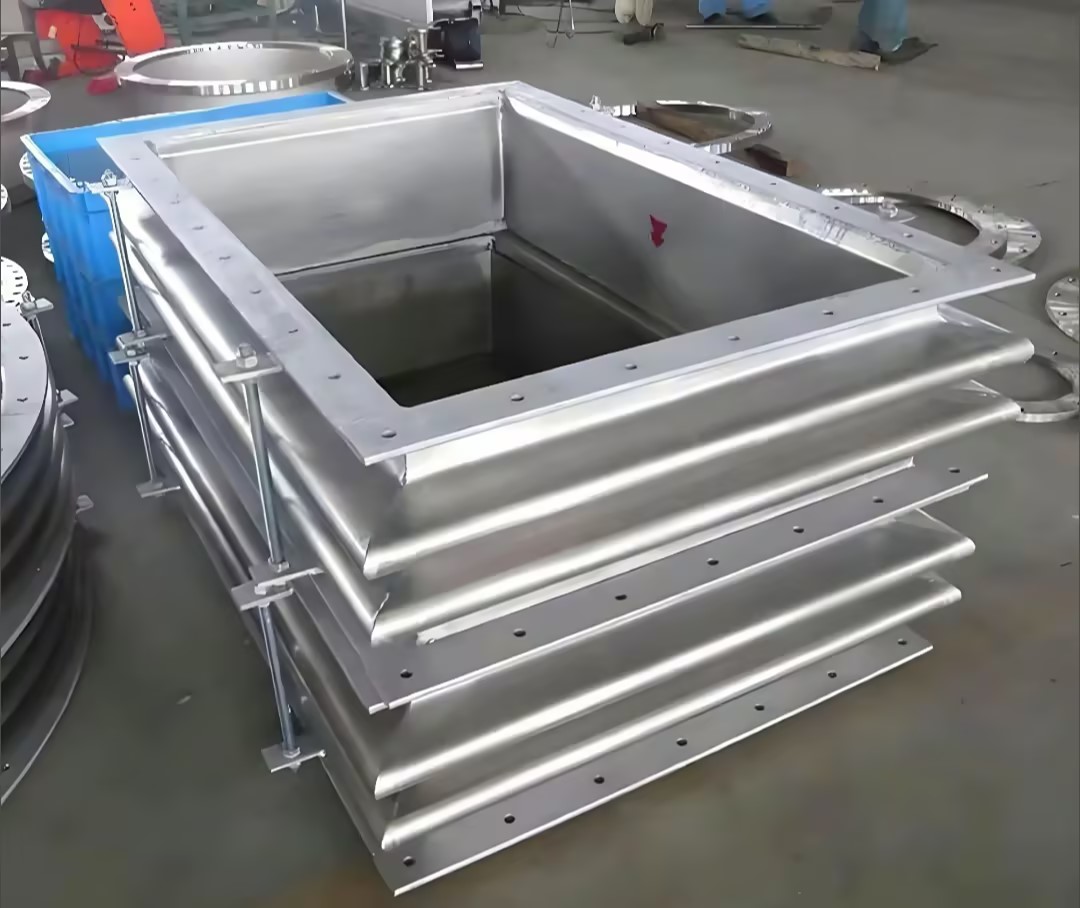
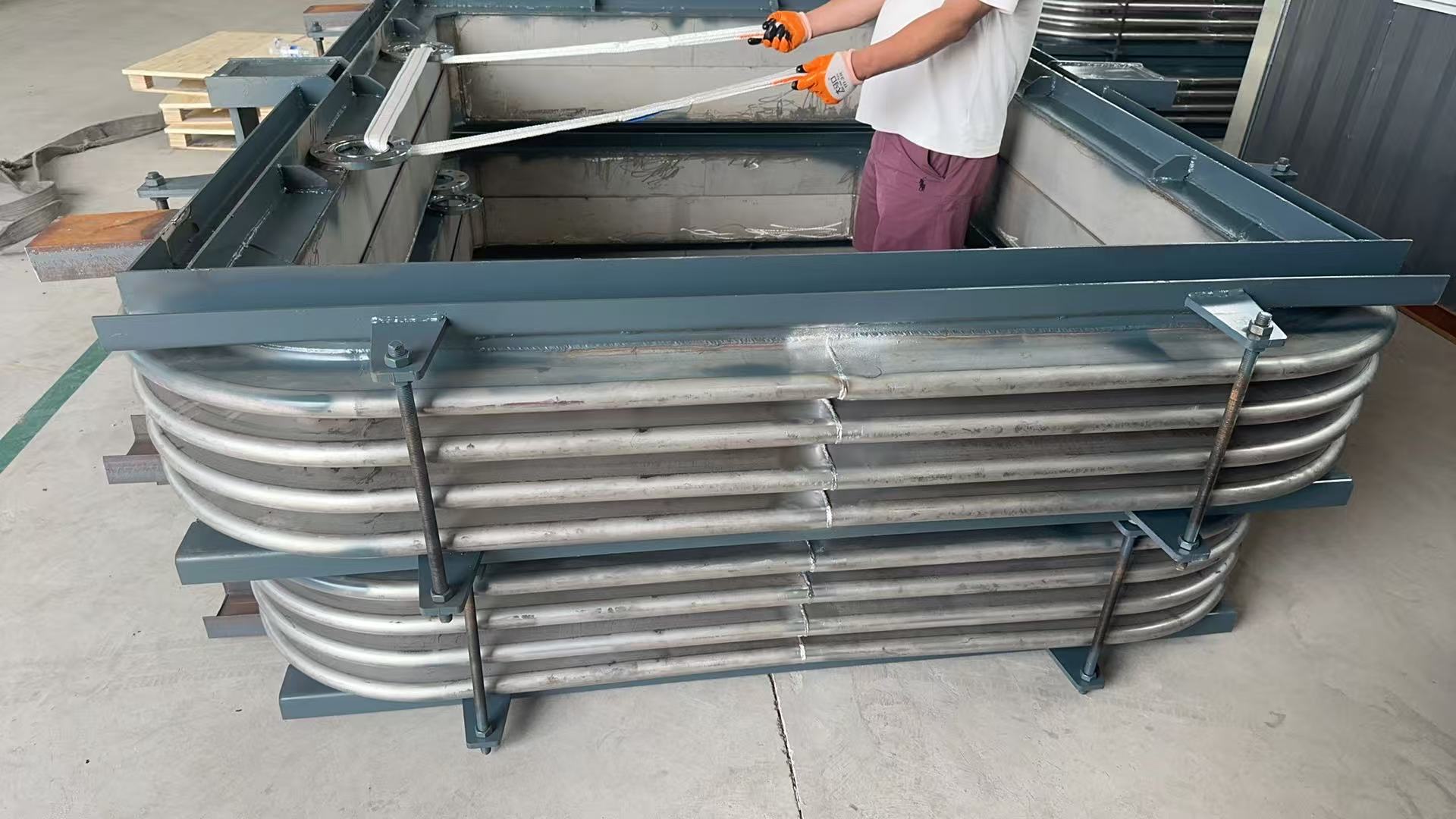
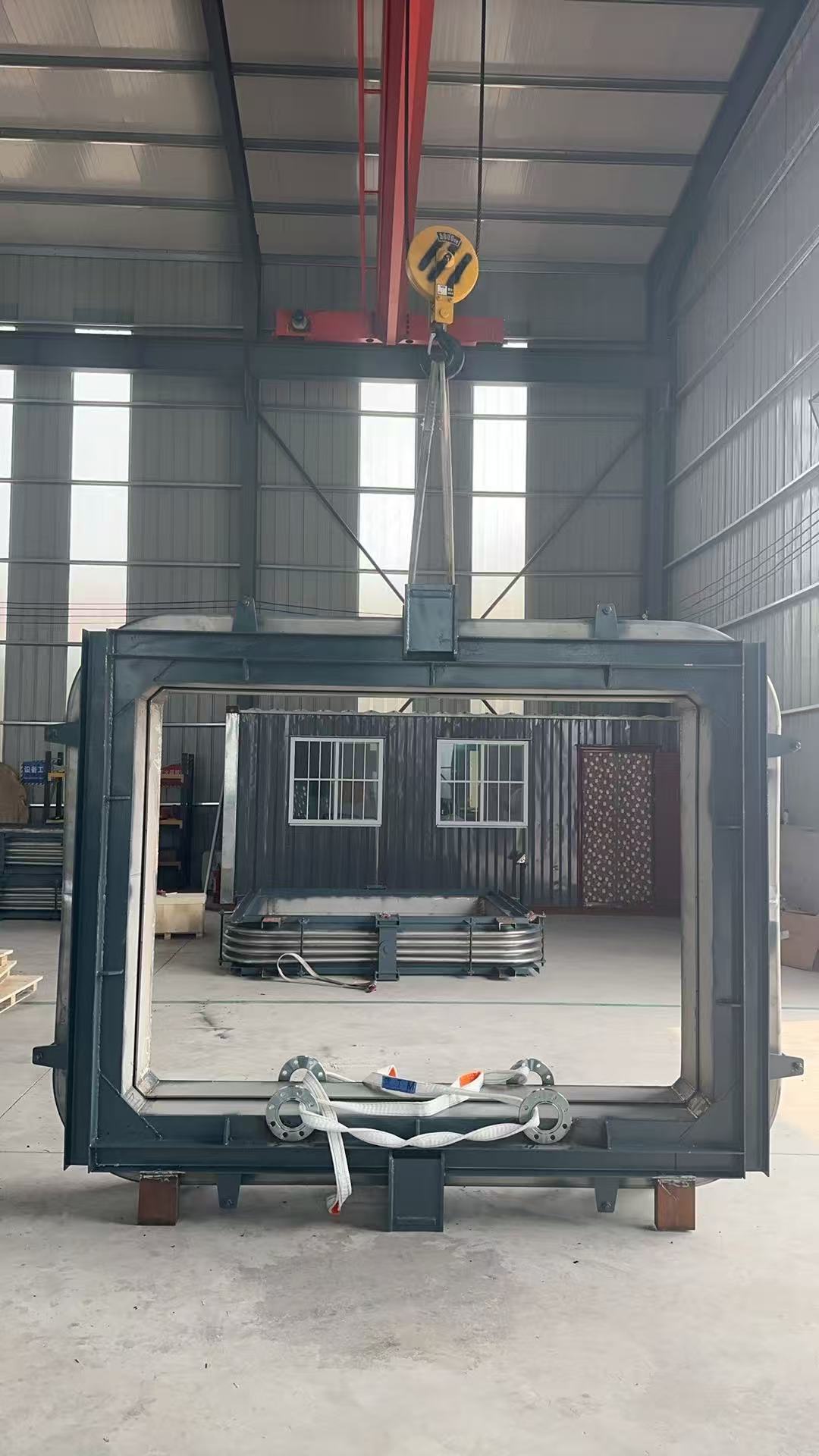
Rectangular bellows expansion joint, also known as rectangular metal compensator, is a flexible pipeline fitting with square or rectangular cross-section, which mainly consists of stainless steel rectangular bellows, end flanges, inner guide sleeves and limit tie rods. It can absorb axial and lateral thermal displacement generated by thermal expansion and cold contraction of rectangular air ducts, boiler flues, dust removal and desulfurization pipelines to release pipeline thermal stress, isolate vibration from fans and industrial equipment for noise reduction, and compensate minor installation misalignment between pipes and devices. The bellows are generally made of 304, 316 or 321 stainless steel, and PTFE lining is available for corrosive working conditions, while the frames and flanges adopt carbon steel with customizable anti-corrosion coating. Designed to perfectly fit square duct systems without extra reducer transition, it features low airflow resistance and stable sealing performance.
Delivery
EXW
minimum order
1 piece
Supply Ability
100piece / Week
Country of Origin
CHINA
Stock Time
14Day
Quantity:
US $200.00 - US $6000.00 / piece
A rectangular metallic expansion joint, also called a rectangular compensator or rectangular metal bellows expansion joint, is a flexible connector specifically engineered for rectangular duct and pipe systems to absorb thermal expansion/contraction, mechanical vibration, and foundation settlement - induced displacements, while maintaining system integrity and hermeticity. Below is a professional English introduction covering its core aspects:
Core Structure
- Bellows: The core component, typically made of multi - ply stainless steel (e.g., 304, 316L) or corrosion - resistant alloys, enabling axial, lateral, and angular displacement compensation.
- End Pipes/Flanges: Used for connection to adjacent pipes or equipment; common materials include carbon steel and stainless steel, which should match the system's media and pressure - temperature conditions.
- Optional Flow Liner: Reduces medium scouring on the bellows and extends service life.
- Outer Cover/Tie Rods: Limits excessive displacement and prevents mechanical damage to the bellows.
Working Principle
It relies on the expansion, contraction, and bending of the bellows to absorb axial, lateral, and angular displacements caused by thermal expansion/contraction, mechanical vibration, or foundation settlement in pipelines, ducts, and vessels. It also helps reduce noise and vibration while ensuring airtightness.
Types
| Type Classification | Specific Variants | Key Characteristics |
|---|---|---|
| By Number of Convolutions | Single - convolution, double - convolution, triple - convolution, multi - convolution | More convolutions mean greater compensation capacity |
| By Corner Profile | Right - angle, rounded, W - shape, V - shape | Influences structural rigidity and displacement adaptability |
| By Restraint Type | Unrestrained, restrained (with tie rods/limit bars) | Restrained types control pressure thrust and excessive deflection |
Key Features
- Multi - directional Compensation: Capable of absorbing axial, lateral, and angular movements simultaneously.
- High Fatigue Resistance: Premium stainless - steel bellows offer excellent cyclic durability.
- Reliable Hermeticity: Engineered structure ensures tight sealing even under dynamic loads.
- Low Flow Resistance: Smooth inner wall minimizes medium flow drag.
- Corrosion Resistance: Stainless - steel construction suits diverse corrosive media.
- Customizable Design: Tailored to non - standard duct sizes, pressure, and temperature requirements.
Applications
Widely used in power plant flue - gas ducts, metallurgical sintering flues, chemical process ducts, and building ventilation systems to compensate for displacements in systems conveying low - pressure dust - laden gas, flue gas, coal gas, and other gases. It is a critical component in industries such as power generation, petrochemicals, steelmaking, and cement production.
Installation & Operation Notes
- Verify the model, specifications, and piping configuration meet design requirements before installation.
- For linered joints, align the liner with the medium flow direction; for hinged joints, ensure the hinge rotation plane matches the displacement direction.
- Remove pre - deformation aids only after the entire pipeline system is fully installed.
- Never use bellows deformation to correct pipeline installation deviations.
- Prevent weld spatter from damaging the bellows during installation.
You can send an email to our email address. We will provide catalogue and pictures of our products for your reference.We can also supply pipe fittings, bolt and nut, gaskets etc. We aim to be your piping system solution provider.
b) How can I get some samples?
If you need, we will offer you samples for free, but new customers are expected to pay express charge.
c) Do you provide customized parts?
Yes, you can give us drawings and we will manufacture accordingly.
d) To which country have you supplied your products?
We have supplied to Thailand, China Taiwan, Vietnam, India, South Africa, Sudan, Peru , Brazil, Trinidad and Tobago, Kuwait, Qatar, Sri Lanka, Pakistan, Romania, France, Spain, Germany, Belgium, Ukraine etc. (Figures here only include our customers in latest 5 years.).
e) I can't see the goods or touch the goods, how can I deal with the risk involved?
Our quality management system conforms to the requirement of ISO 9001:2015 verified by DNV. We are absolutely worth your trust. We can accept trial order to enhance mutual trust.


