


Rectangular Metal Expansion Section
DN100-DN2500
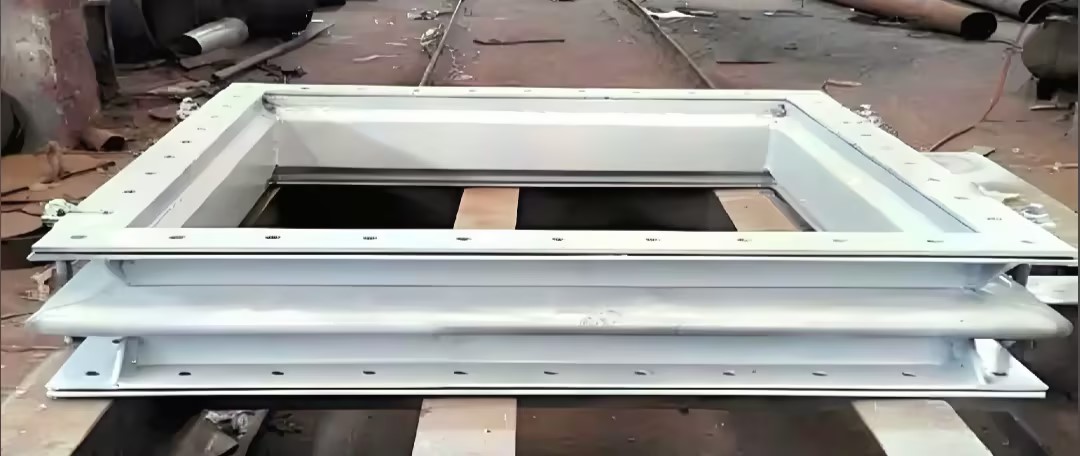
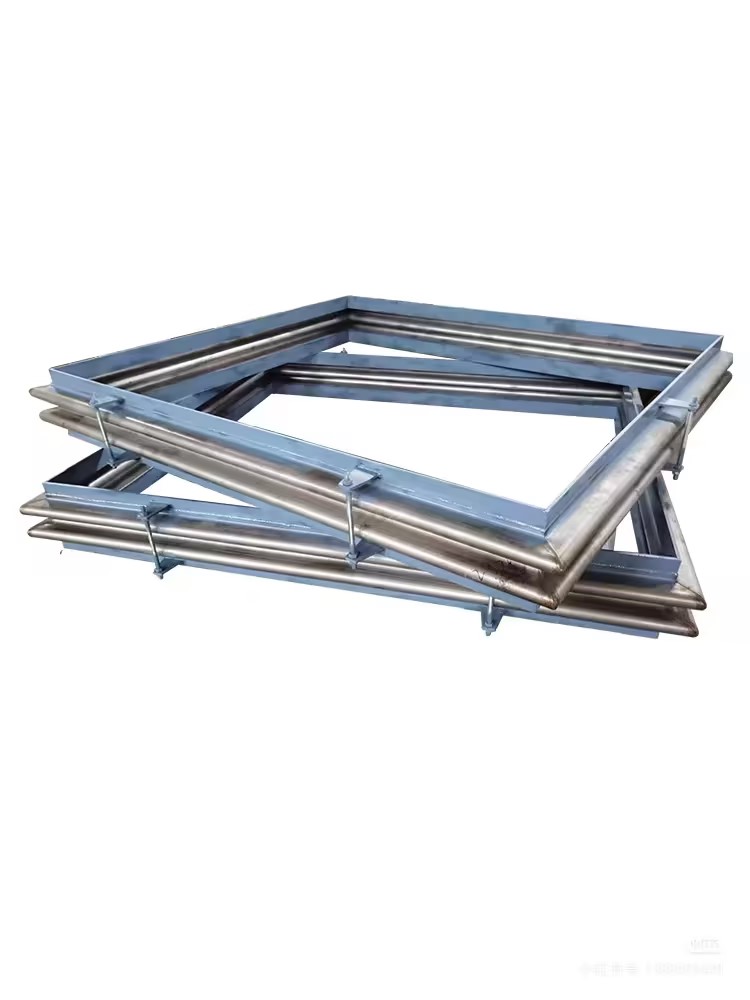
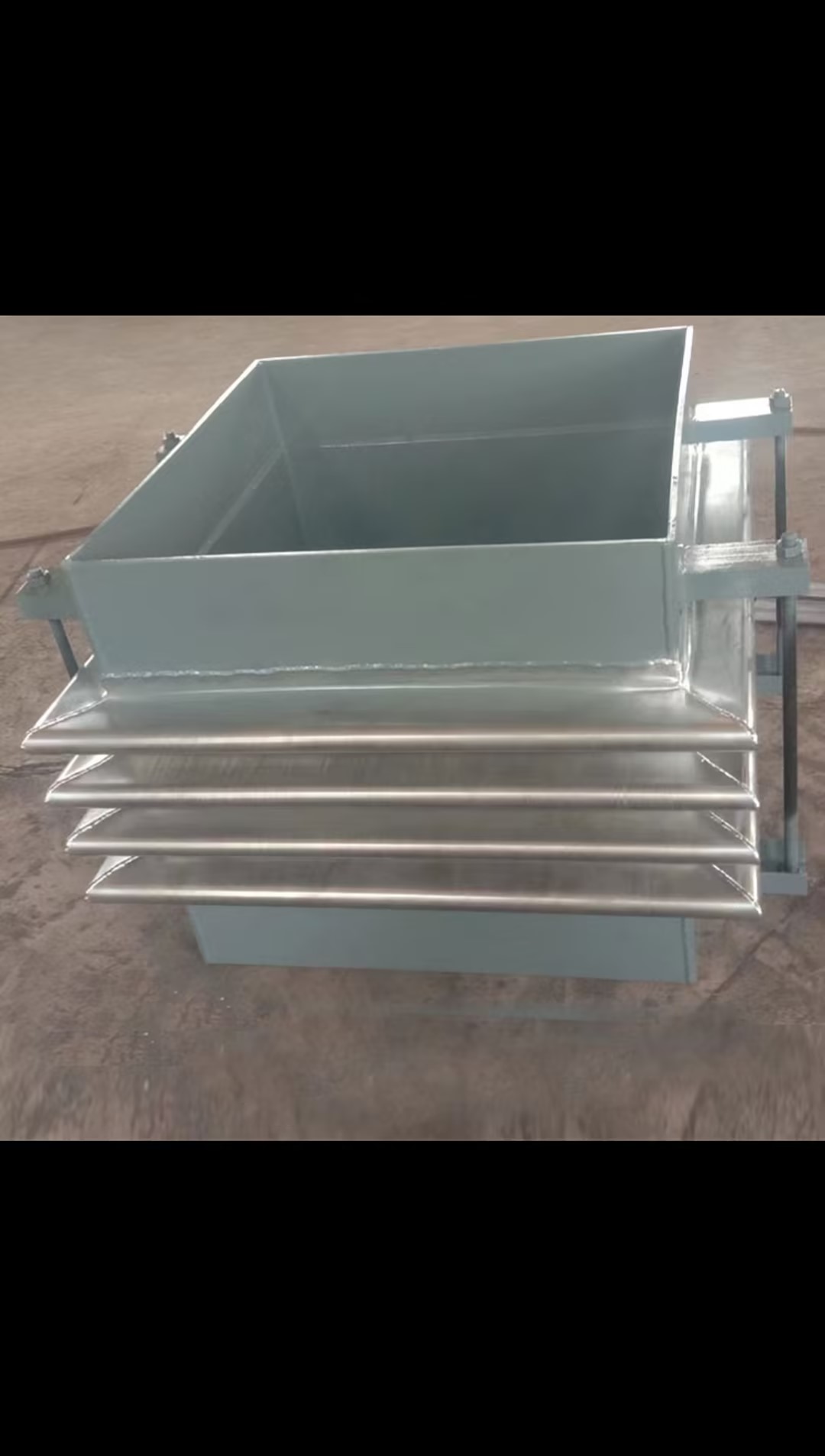
Rectangular metal expansion joints feature stainless steel corrugated bodies matching square or rectangular air flues. They absorb thermal expansion, reduce vibration and compensate installation misalignment. Equipped with frame flanges, they withstand high temperature, pressure and flue gas corrosion, widely applied in boilers, dust removal and HVAC ducts, and can be fitted with limit structures to avoid over-stretching.
Delivery
EXW
minimum order
1 piece
Supply Ability
100piece / Week
Country of Origin
CHINA
Stock Time
14Day
Quantity:
US $100.00 - US $10000.00 / piece
Full Detailed Introduction of Rectangular Metal Expansion Joints
1. Definition & Applicable Standards
Rectangular metal expansion joints, also named rectangular corrugated compensators, are customized elastic metal components specially designed for square and rectangular industrial air ducts, flues and hot gas pipelines. They are manufactured complying with GB/T 12777 General Technical Specification for Metal Bellows Expansion Joints. As an ideal replacement for fabric expansion joints, they are widely adopted in systems with high temperature, negative pressure and corrosive flue gas. Relying on elastic deformation of stainless steel bellows, these products eliminate thermal stress and block vibration transmission along pipelines.
2. Complete Structural Composition & Material Matching
The whole product consists of four core modules: pressure-bearing bellows body, connecting frame, internal protective parts and external auxiliary accessories. The bellows are multi-layer welded stainless steel plates with U-shaped, V-shaped or rounded corner wave structures to reduce stress concentration, with wall thickness from 0.5 mm to 3 mm. Matched rectangular frame flanges connect on-site ducts, while flow liners are mandatory for airflow over 8 m/s to prevent erosion. Optional accessories include limit tie rods for large negative-pressure pipelines, temporary shipping bars, thermal insulation covers and stiffening ribs for oversized sections. Different stainless steel grades are selected according to working temperature and corrosiveness: SS304 for general medium-temperature flues, SS321 for high-temperature kiln pipelines, SS316L for acid sulfur-containing waste gas, and nickel-based alloys for ultra-high temperature strong corrosion environments. Carbon steel flanges are only used for normal-temperature low-pressure systems.
3. Core Compensation Functions & Main Performance Parameters
A single joint can absorb axial, lateral and angular displacement simultaneously to offset thermal expansion, foundation settlement and assembly deviation of ducts, while isolating equipment vibration and stabilizing system pressure fluctuation. Key performance indicators cover working pressure ranging from -0.1 MPa negative pressure to customized 0.6 MPa positive pressure, operating temperature between -40℃ and 800℃, and fully customizable cross-section sizes from small 300×300 mm to ultra-large 5000×4000 mm flues. All-metal welded sealing delivers excellent tightness and long fatigue service life compared with fabric expansion joints.
4. Application Scope & Competitive Advantages
These joints are widely used in power plant flues, metallurgical kiln hot air pipes, chemical waste gas ducts, dust removal equipment and HVAC rectangular ventilation systems. Compared with fabric expansion joints, metal versions own obvious strengths: higher temperature resistance up to 800℃, strong anti-collapse performance under negative pressure, outstanding abrasion and corrosion resistance without aging risks, and reliable sealing for toxic or flammable flue media. However, they have limitations of higher cost and larger structural stiffness; fabric compensators can be alternatives for simple normal-temperature low-pressure dust-free ventilation pipelines. For pipelines with massive hard granular dust, front dust removal devices are still required even with inner liners.
5. Standard Installation Guidelines, Failure Causes & Countermeasures
Strict installation rules must be followed: all temporary shipping bars need full removal before operation; 3–8 mm gaps should be reserved on limit tie rods instead of full locking; forced twisting or stretching of bellows to adjust duct misalignment is forbidden; thermal insulation can only wrap outer covers rather than bellows bodies; guide and fixed supports on both sides are necessary to balance blind plate thrust; slow pressure rise is required during pressure testing. Common failures including stress corrosion perforation, fatigue cracking, vacuum collapse and airflow abrasion are mainly caused by improper material selection, insufficient compensation allowance, lack of liners or reinforcing structures. Corresponding solutions involve upgrading corrosion-resistant steel grades, reserving extra displacement margin, installing supporting liners and stiffening components according to actual working conditions.
FAQ
a) How can I get more details about your products?You can send an email to our email address. We will provide catalogue and pictures of our products for your reference.We can also supply pipe fittings, bolt and nut, gaskets etc. We aim to be your piping system solution provider.
b) How can I get some samples?
If you need, we will offer you samples for free, but new customers are expected to pay express charge.
c) Do you provide customized parts?
Yes, you can give us drawings and we will manufacture accordingly.
d) To which country have you supplied your products?
We have supplied to Thailand, China Taiwan, Vietnam, India, South Africa, Sudan, Peru , Brazil, Trinidad and Tobago, Kuwait, Qatar, Sri Lanka, Pakistan, Romania, France, Spain, Germany, Belgium, Ukraine etc. (Figures here only include our customers in latest 5 years.).
e) I can't see the goods or touch the goods, how can I deal with the risk involved?
Our quality management system conforms to the requirement of ISO 9001:2015 verified by DNV. We are absolutely worth your trust. We can accept trial order to enhance mutual trust.


