


Non metallic fabric expansion joint
DN3000
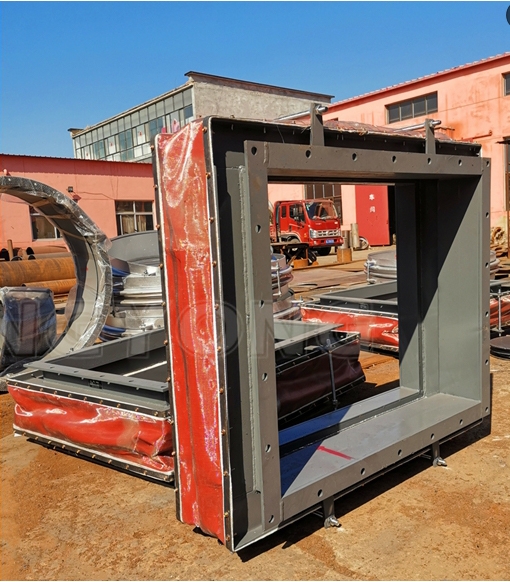
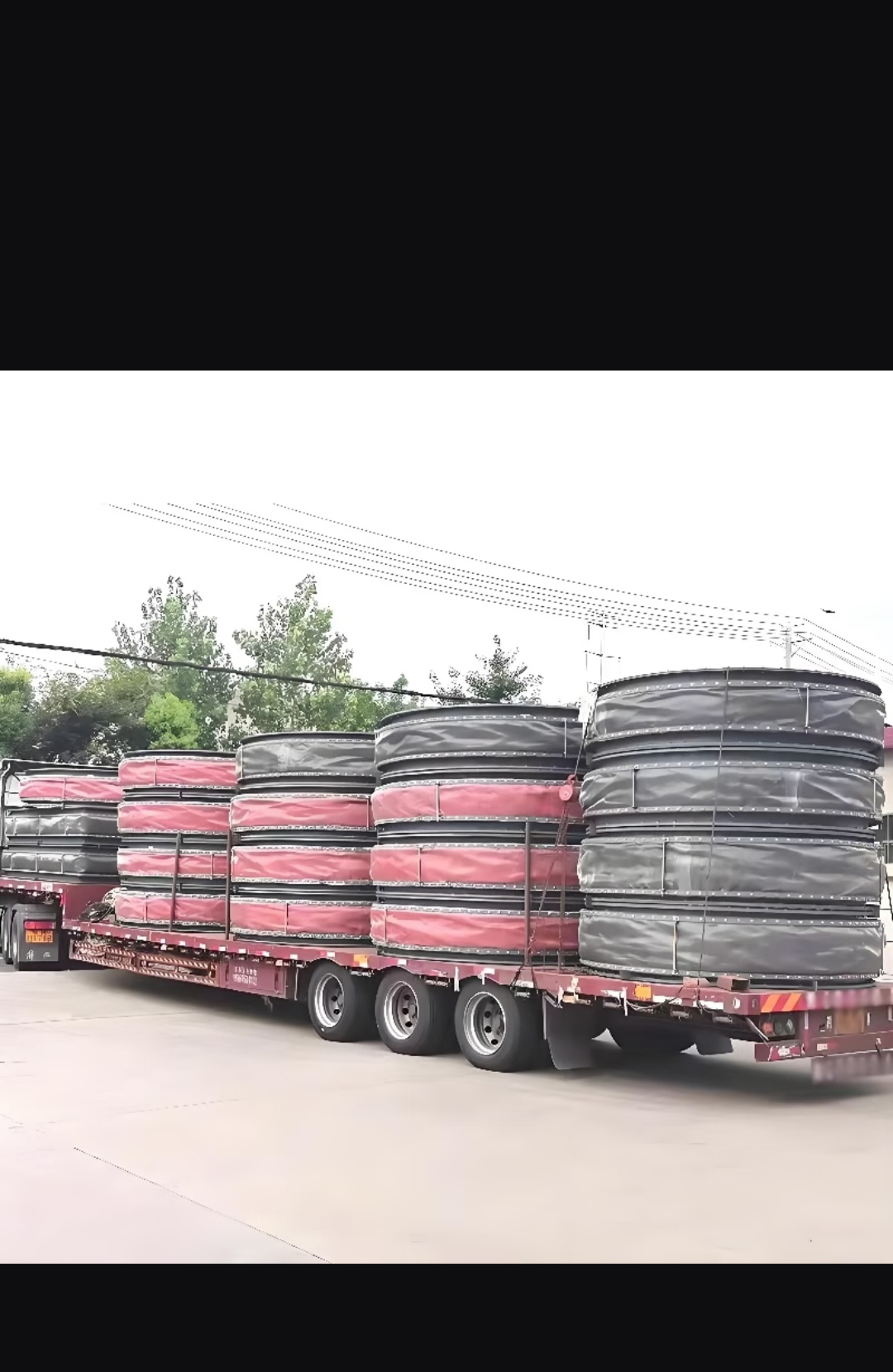
Non-metallic fabric expansion joint, also known as fabric compensator, is a flexible piping compensation component made of multi-layer high-temperature resistant fabric composite materials. It can absorb axial, lateral and angular displacement of pipelines caused by thermal expansion and contraction, eliminate installation deviation, reduce pipeline vibration and noise. Featuring light weight, good corrosion resistance, low stiffness and no rigid stress transfer, it is widely applied in flue gas, ventilation, dust removal and high-temperature medium conveying pipelines of power plants, chemical plants, steel mills and cement plants. It effectively protects pipes and equipment from deformation damage.
Delivery
EXW
minimum order
1 piece
Supply Ability
500piece / Week
Country of Origin
CHINA
Stock Time
14Day
Quantity:
US $100.00 - US $5000.00 / piece
Flue duct expansion joints are critical flexible connectors engineered to accommodate thermal expansion/contraction, mechanical vibration, and installation misalignment in industrial flue gas and ventilation duct systems, widely used in power plants, boilers, incinerators, and FGD (Flue Gas Desulfurization) systems. They protect ductwork, fans, and related equipment from excessive stress, leakage, and noise, ensuring long-term operational integrity.
Core Functions
- Thermal Movement Compensation: Absorb axial, lateral, and angular displacements caused by temperature fluctuations (from cryogenic to over 1000°C), preventing duct deformation or joint failure.
- Vibration & Noise Isolation: Dampen mechanical vibrations from fans, blowers, or turbines, reducing noise transmission and extending equipment lifespan.
- Misalignment Accommodation: Tolerate installation errors or structural shifts without inducing excessive stress on flanges or duct connections.
- Sealing & Corrosion Resistance: Maintain airtightness and resist corrosive media (acidic/alkaline flue gas, moisture) via specialized materials.
Main Types & Construction
| Type | Key Features | Typical Materials | Working Pressure | Temperature Range | Best Applications |
|---|---|---|---|---|---|
| NonMetallic (Fabric/Rubber) | Lightweight, multidirectional flexibility, low reaction force | Fiberglass, PTFEcoated fabric, silicone/fluororubber, insulation layers | ±3 psig (±0.02 MPa) | -70°C to 1200°C | Lowpressure flue ducts, FGD systems, boiler exhaust |
| Metallic (Bellows) | High pressure/temperature resistance, rigid structure | Stainless steel (304/316L), Inconel, with flanges/limiters | Up to 1.6 MPa | -20°C to 1000°C | Highpressure steam ducts, gas turbine exhaust, hightemperature dry flue gas |
- NonMetallic Core Components: Multilayered composite fabrics (sealing + insulation), metal frames, inner sleeves (flow liners), insulation pillows.
- Metallic Core Components: Corrugated metal bellows, flanges, (flow liners), (limit stops).
Key Performance & Standards
- Compensation Capacity: Nonmetallic joints handle 30%-40% of their length in multidirectional movement; metallic types offer precise axial/lateral/ angular compensation based on bellows design.
- Standards: ASME B31.1/B31.3, EJMA (Expansion Joint Manufacturers Association), GB/T 12777 (China) for design, testing, and quality control.
- Customization: Available in round, rectangular, or oval profiles; custom sizes, pressure ratings, and materials for specific flue gas compositions or space constraints.
Typical Applications
- Power Generation: Coalfired/hydrogenpowered plants, boiler flue ducts, SCR (Selective Catalytic Reduction), and FGD systems.
- Industrial Boilers & Furnaces: Waste incinerators, steel mill flues, cement kiln exhaust.
- Emission Control: Scrubbers, baghouses, precipitators, stack connectors.
Advantages vs. Limitations
| Advantages | Limitations |
|---|---|
| Non metallic: Low reaction force, corrosion resistance, easy installation | Non metallic: Limited to low pressure; fabric aging over time |
| Metallic: High pressure/temp capability, long fatigue life | Metallic: Higher spring force; potential stress concentration |
Installation & Maintenance Tips
- Ensure proper alignment and avoid overstretching during installation; follow torque specs for flange bolts.
- Use flow liners to protect flexible layers from erosion by particulateladen flue gas.
- Inspect for leaks, fabric cracks, or bellows fatigue periodically; replace worn components per OEM guidelines.
This overview balances technical precision with practicality, ideal for technical specs, supplier communication, or project documentation.
You can send an email to our email address. We will provide catalogue and pictures of our products for your reference.We can also supply pipe fittings, bolt and nut, gaskets etc. We aim to be your piping system solution provider.
b) How can I get some samples?
If you need, we will offer you samples for free, but new customers are expected to pay express charge.
c) Do you provide customized parts?
Yes, you can give us drawings and we will manufacture accordingly.
d) To which country have you supplied your products?
We have supplied to Thailand, China Taiwan, Vietnam, India, South Africa, Sudan, Peru , Brazil, Trinidad and Tobago, Kuwait, Qatar, Sri Lanka, Pakistan, Romania, France, Spain, Germany, Belgium, Ukraine etc. (Figures here only include our customers in latest 5 years.).
e) I can't see the goods or touch the goods, how can I deal with the risk involved?
Our quality management system conforms to the requirement of ISO 9001:2015 verified by DNV. We are absolutely worth your trust. We can accept trial order to enhance mutual trust.
Recommend Products

