


Non metallic fabric expansion joint
DN500-DN1500
Fabric Expansion Joint (Non-metallic Compensator)
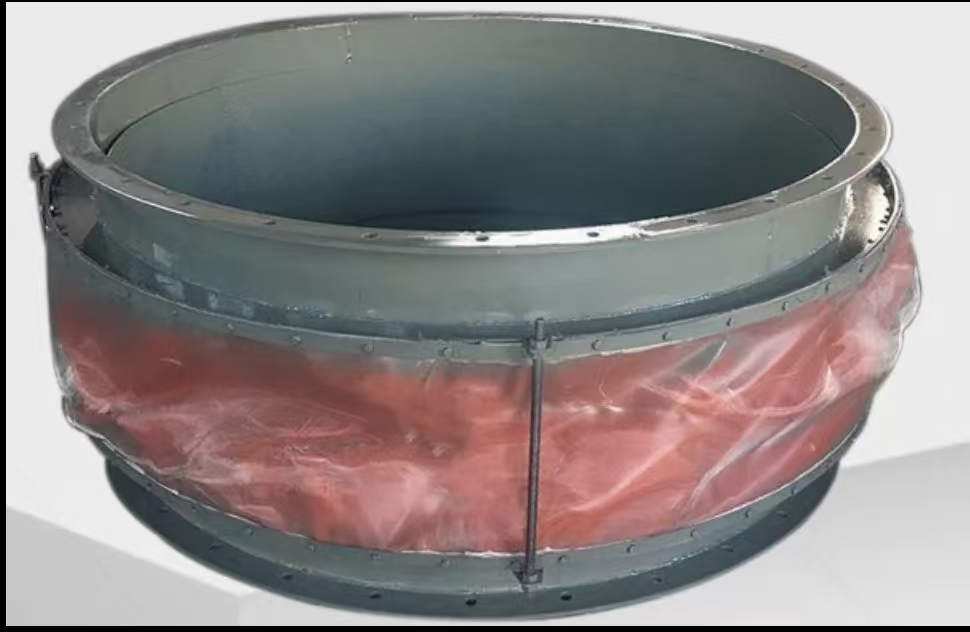
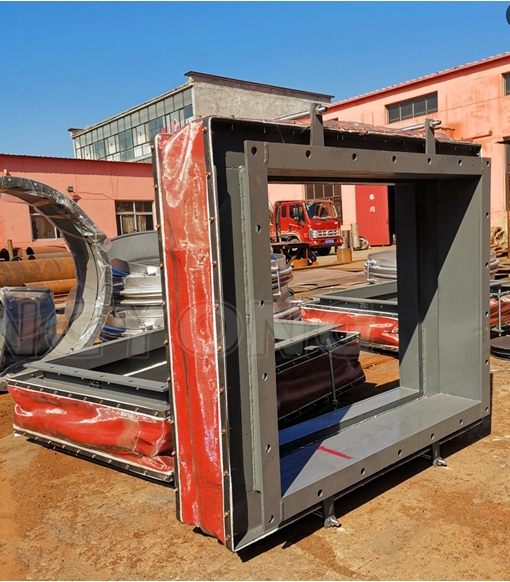
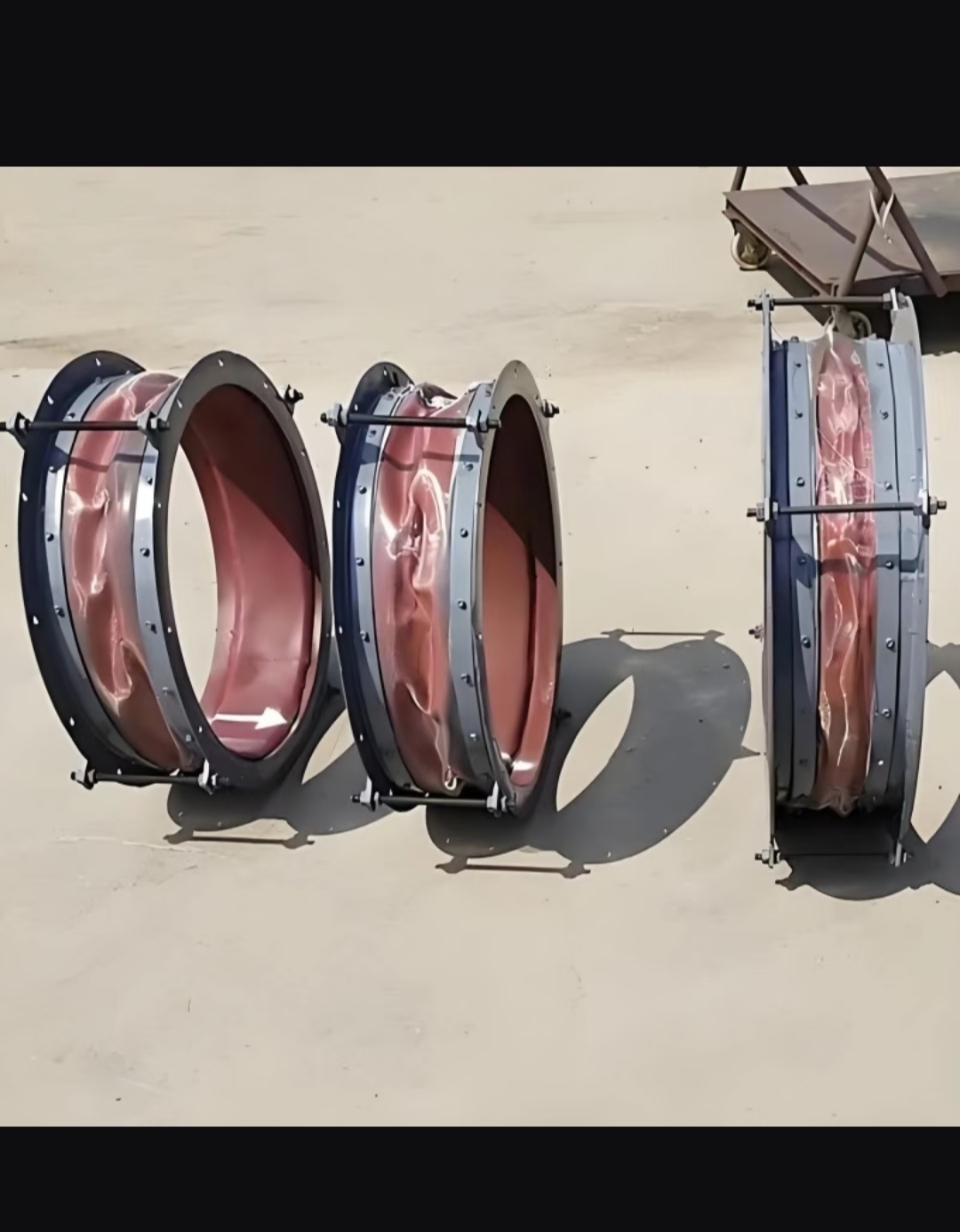
It is made of high-temperature resistant silicon-titanium composite fabric with carbon steel flanges and limit tie rods. It can absorb axial, lateral and angular displacement of duct systems, reduce vibration and noise, and resist high temperature & corrosive flue gas. Available in round and rectangular shapes, widely used for boiler flues, power plant dedusting pipes and industrial ventilation ducts.
It is made of high-temperature resistant silicon-titanium composite fabric with carbon steel flanges and limit tie rods. It can absorb axial, lateral and angular displacement of duct systems, reduce vibration and noise, and resist high temperature & corrosive flue gas. Available in round and rectangular shapes, widely used for boiler flues, power plant dedusting pipes and industrial ventilation ducts.
minimum order
1 piece
Supply Ability
50piece / Week
Stock Time
14Day
Quantity:
US $300.00 - US $2000.00 / piece
Fabric Expansion Joint (Non-metallic Compensator) — Detailed English Description
1. Product Overview
Fabric expansion joint, also named non-metallic flexible compensator, is a vital flexible connection component specially designed for flue gas, ventilation and thermal pipeline systems. It is assembled with multi-layer high-performance composite fabric skin, carbon steel welded frames, connecting flanges, limit tie rods and internal insulation layers. Unlike metal expansion joints, it relies on flexible textile materials to absorb pipeline deformation, with outstanding adaptability for large-diameter square, rectangular and circular ductwork.
2. Main Structural Composition
- Fabric Skin (Sealing Layer) The core flexible part, commonly made of silicon-titanium fireproof cloth, PTFE fluorine fabric or acid-resistant rubber coated fabric. Multi-layer composite structure includes sealing layer, heat insulation layer and anti-corrosion layer, resisting high temperature, acid, alkali, sulfur-containing flue gas and dust erosion.
- Steel Frame & Flange Carbon steel or stainless steel welded frames fix the fabric skin; integrated drilling flanges connect with pipes/equipment via bolts, supporting structural load and avoiding fabric tearing.
- Limit Tie Rods External metal tie rods control the maximum stretching displacement of the joint, prevent over-expansion damage under pressure, and bear axial thrust generated by internal medium.
- Internal Heat Insulation Blanket (Optional) High-temperature resistant ceramic fiber blanket inside reduces surface temperature of the fabric skin, extending service life under ultra-high temperature working conditions.
3. Core Performance & Advantages
- Multi-directional Displacement Compensation Capable of absorbing axial compression/extension, lateral transverse offset and angular deflection simultaneously, solving thermal expansion and installation misalignment problems of long-distance flue pipelines.
- Superior Vibration & Noise Isolation Flexible fabric cuts off rigid vibration transmission between fans, boilers and ducts, effectively lowering equipment operation noise and protecting pipeline supports.
- Wide Temperature & Corrosion Resistance Working temperature ranges from -40°C to 1200°C; customized PTFE fabric resists strong acid, alkali, chemical waste gas and corrosive flue gas from power plants and chemical factories.
- Light Weight & Low Installation Stress Far lighter than metal corrugated expansion joints, it will not produce extra rigid stress on pipe walls and equipment, reducing the load of pipeline supports.
- Customizable Shape & Size Available in round, square, rectangular and special irregular shapes, supporting large-diameter customized production to match various industrial duct specifications.
- Good Air Tightness & Low Maintenance Integrated hot-pressed fabric layers avoid medium leakage; no frequent maintenance required after installation, long service life under normal operating conditions.
4. Typical Application Scenarios
- Thermal power plant boiler flue, dust removal and desulfurization duct systems
- Industrial boiler, furnace high-temperature exhaust pipelines
- Chemical plant corrosive waste gas ventilation pipes
- Metallurgy, cement kiln flue gas transmission ducts
- HVAC ventilation, air blower and cooling system connecting pipes
- Waste incineration plant high-temperature flue pipelines
5. Technical Supplementary Notes
- Pressure resistance: Standard design for low and medium pressure flue systems (≤0.1MPa); high-pressure reinforced versions are available on request.
- Surface treatment: Frames and flanges can be painted with anti-rust primer, hot-dip galvanized or stainless steel material for harsh outdoor environment.
- Waterproof option: Waterproof coated fabric skin can be equipped for outdoor pipeline installation to prevent rainwater infiltration.
Recommend Products

