


Multiple models of EPDM/NBR rubber balls
DN25-DN1000
EPDM/NBR rubber balls are solid elastic spheres manufactured from two common rubber materials. NBR rubber balls feature excellent oil resistance for hydraulic and fuel system sealing, while EPDM versions offer great resistance to water, ozone and outdoor aging. They are commonly applied in check valves, vibrating screen cleaning, fluid sealing and shock buffering equipment.
Delivery
EXW
minimum order
10 pieces
Supply Ability
100pieces / Day
Country of Origin
CHIAN
Stock Time
7Day
Quantity:
US $2.00 - US $100.00 / pieces
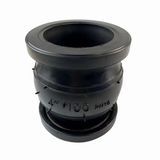
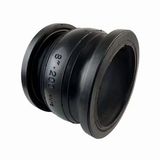
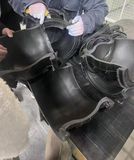
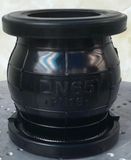
1. Product Overview
EPDM and NBR rubber balls are high-precision solid elastic rubber spheres specially engineered for diverse industrial functional scenarios, mainly serving for equipment sealing, vibrating screen mesh cleaning, mechanical vibration damping, impact buffering and medium isolation. Produced via advanced integral molding and secondary fine polishing processes, these rubber balls boast ultra-high roundness, consistent dimensional tolerance, stable Shore A hardness and superior elastic recovery performance. Free of bubbles, cracks and deformation on the surface, they deliver stable and reliable long-term operation. A full range of standard diameters and hardness specifications are available, and customized sizes, hardness and color options can be provided to match various types of industrial equipment and complex working condition requirements.
2. Material & Core Performance Features
2.1 NBR (Nitrile Butadiene Rubber) Balls
NBR (Nitrile Butadiene Rubber) balls are the most widely used oil-resistant rubber balls in industrial fields, recognized for their superior medium resistance and cost-performance. They have excellent tolerance to various petroleum-based substances, including engine oil, diesel fuel, gear oil, lubricating grease, hydraulic oil and mineral oil, with almost no volume swelling, softening or structural deformation after long-term immersion. In addition, NBR rubber balls feature outstanding mechanical properties, including strong wear resistance, excellent compression resilience and good anti-fatigue performance, able to withstand frequent repeated extrusion, impact and friction. The stable working temperature ranges from -40℃ to 120℃, covering most conventional mechanical oil circuit working environments. Economical and practical, they are the preferred sealing and cleaning accessories for general industrial oil systems. The obvious drawback is poor weather aging resistance; long-term exposure to ultraviolet rays, ozone, high humidity and outdoor air will cause gradual hardening, cracking and elasticity attenuation, so they are not recommended for open-air working scenarios.
2.2 EPDM (Ethylene Propylene Diene Monomer) Rubber Balls
EPDM (Ethylene Propylene Diene Monomer) rubber balls belong to high-performance environmental and weather-resistant rubber products, with unique advantages in anti-aging and corrosion resistance. They possess excellent resistance to ozone, UV radiation, atmospheric aging, high-temperature water vapor, cold water and weak acid and weak alkali solutions, and can maintain stable physical properties in long-term outdoor exposed environments and humid high-temperature working conditions. With excellent high and low temperature resistance, EPDM balls can work stably at temperatures ranging from -50℃ to 150℃, far exceeding the temperature tolerance of ordinary NBR balls. Meanwhile, they have good waterproof, airtight and insulating properties, and will not deteriorate or deform after long-term water immersion and repeated mechanical movement. However, EPDM material has inherent weakness in oil resistance; it will produce obvious swelling, softening and performance failure when exposed to various oil and fuel media, so it is completely unsuitable for oil-based system applications.
3. Key Advantages
- High scenario adaptability: Two classic rubber materials cover mainstream industrial working conditions perfectly. NBR targets oil medium environments, while EPDM adapts to water, steam, outdoor and weak corrosive environments, realizing targeted matching for different equipment usage needs.
- Superior comprehensive durability: Both materials feature excellent wear resistance and compression recovery. The precisely molded rubber balls can withstand thousands of times of repeated extrusion, bouncing and friction without permanent deformation, crack or damage, greatly reducing equipment failure rate.
- Precise and reliable sealing performance: Strict dimensional tolerance control and high roundness ensure the rubber balls fit closely with valve seats and equipment gaps. They can effectively block medium backflow and leakage, providing stable sealing and closing effects for fluid control equipment.
- Low operating and maintenance cost: Stable chemical and physical properties, strong anti-aging and anti-fatigue capabilities extend the service life greatly. The products require no special daily maintenance, with low replacement frequency and comprehensive cost advantages in long-term industrial application.
- Excellent cleaning and buffering effect: Good elastic bouncing performance enables the rubber balls to continuously impact and clean the screen mesh during vibration equipment operation, effectively preventing mesh blockage and improving screening efficiency; meanwhile, they can absorb mechanical vibration and impact force to protect equipment parts.
4. Main Applications
- NBR rubber balls applications: Mainly applied in all oil medium industrial systems. Typical scenarios include hydraulic control valves, industrial check valves, fuel delivery pipelines, mechanical oil filter equipment, lubrication system accessories, and vibrating screen cleaning for petroleum, machinery, mining and metallurgy industries. They are also widely used for sealing and buffering of various oil immersion mechanical parts.
- EPDM rubber balls applications: Widely used in water and high-temperature medium environments. Covering water treatment and purification equipment, high-temperature steam pipeline valves, heating system accessories, outdoor industrial automation equipment, environmental protection dust removal facilities, and conventional chemical equipment with weak acid and alkali corrosion. They are also commonly used for vibration buffering, noise reduction and screen cleaning in food, pharmaceutical and daily chemical industries with high environmental hygiene requirements.


