Scan qrcode to view mobile website
Data is empty
0
Member Center
Exit
Get a Quote
Home
/
News
/
1
Product Knowledge Sharing
Categories
Upload Time:2026-09-28
Siyu Li
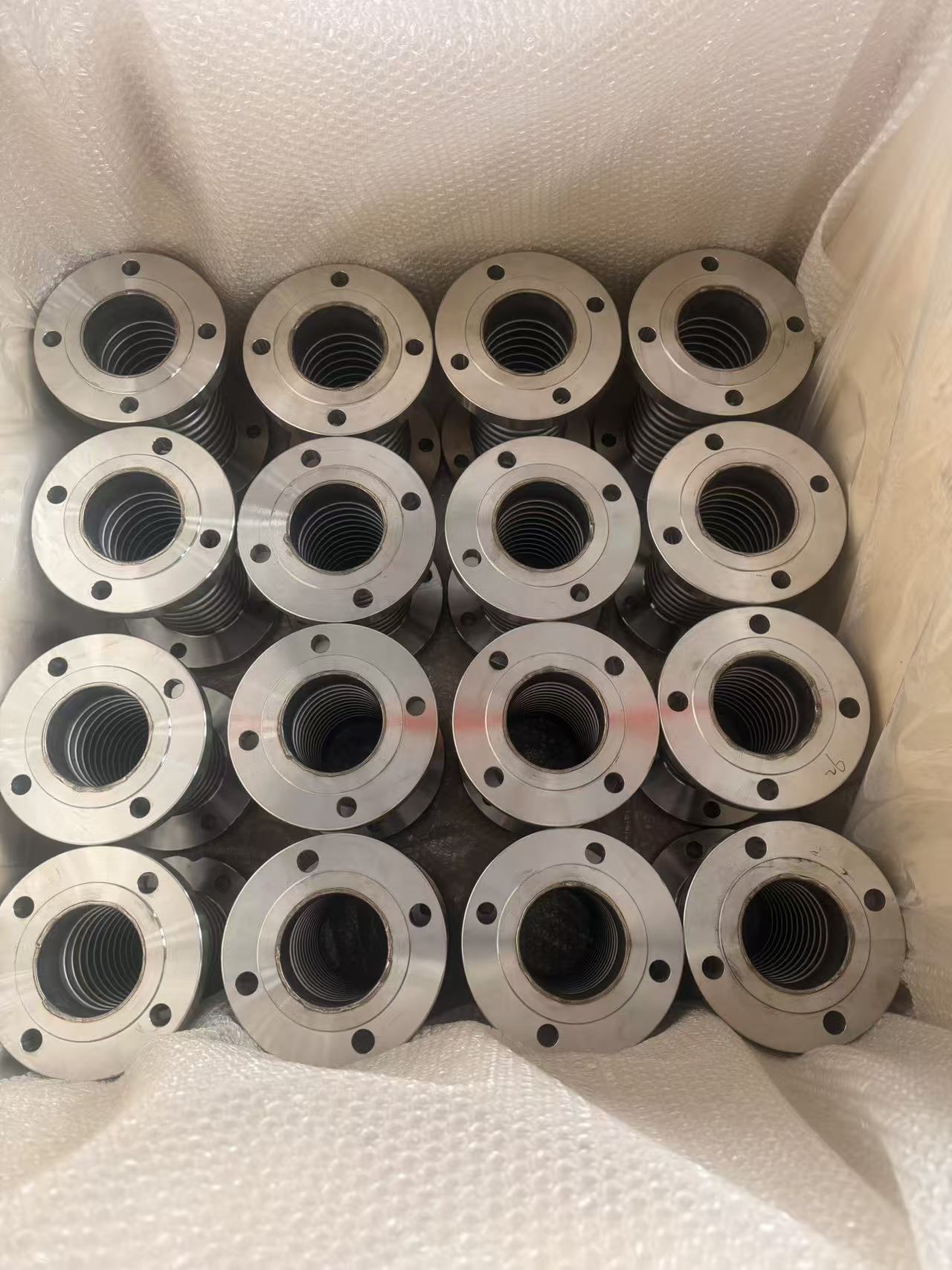
Successful Delivery of DN80 Full 316 Stainless Steel Bellows Expansion Joints for UAE Project
Upload Time:2021-07-14
Zhimin Yang
Internal‑pressure vs External‑pressure Metal Bellows Expansion Joints ?
Internal‑pressure bellows: medium inside bellows, inner liner inside, tie‑rods needed for large displacement.
External‑pressure bellows: medium outside bellows, nested sleeve structure, good anti‑instability, tie‑rods normally not required.
Upload Time:2026-05-19
LIUNA
Why NBR Rubber Expansion Joints Cannot Be Used in High-Temperature Thermal Oil Systems
NBR rubber expansion joints fail in high-temperature thermal oil systems because thermal oil runs above 300°C, while NBR can only handle ~90–140°C. This extreme heat causes rapid oil-swelling (softening and seal failure) and thermo-oxidative aging (hardening and cracking). The joint quickly fails, leading to thermal oil leaks and fire hazards. Use stainless steel or specially insulated expansion joints instead.
1
2
3
4
7
0